Cryotherapy – Skin Tag, Mole & Wart Removal
Cryotherapy
Cryotherapy is a medical treatment that uses liquid nitrogen to freeze and destroy the skin tissue. It is -200 degrees celsius and is an effective treatment for skin tags, moles, and warts. The extreme cold will cause the cells to die, and the lesion will fall off within one to two weeks. It is a fast, cost-effective treatment that can help patients achieve the skin they desire.
Wart Removal
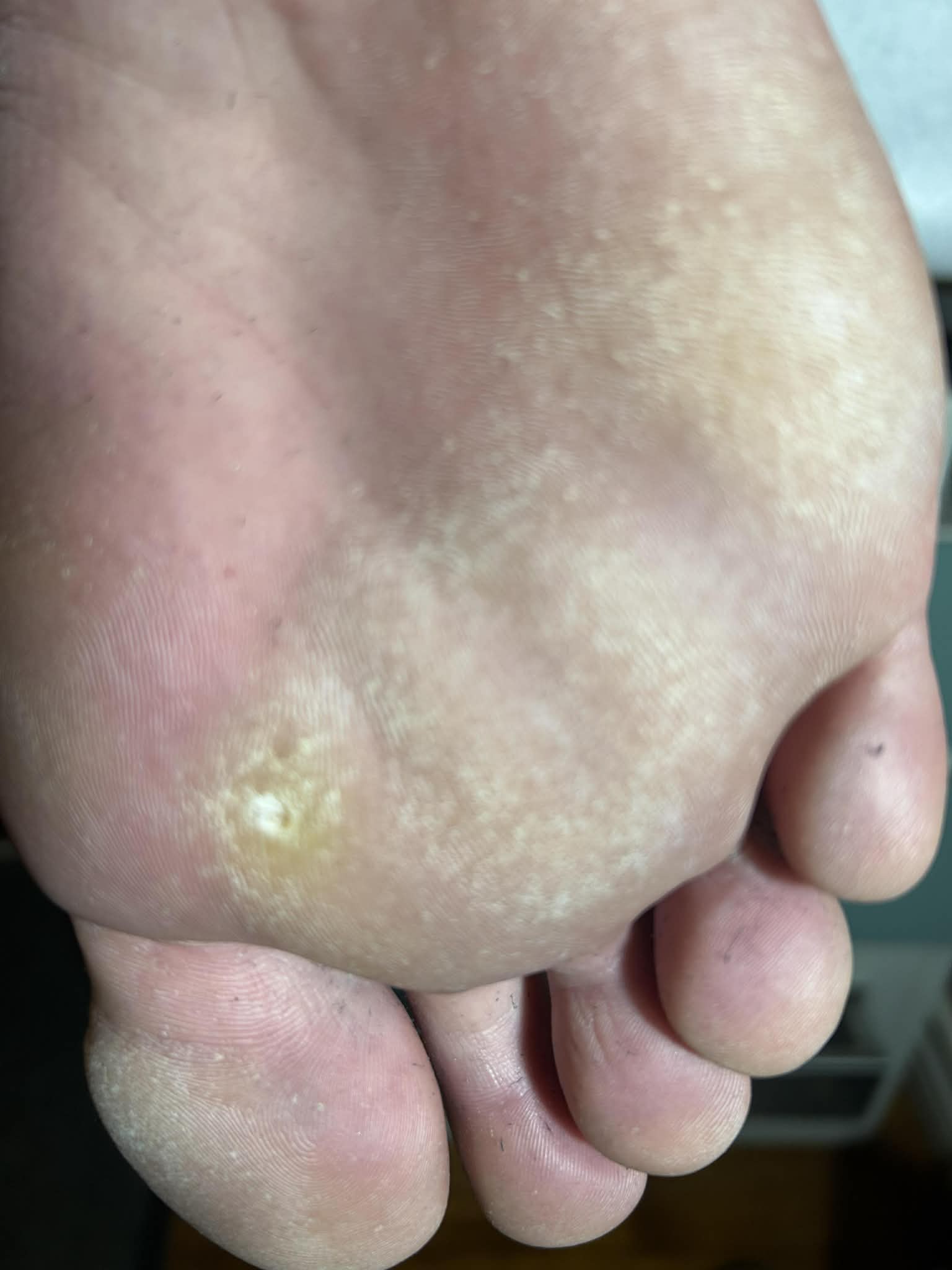
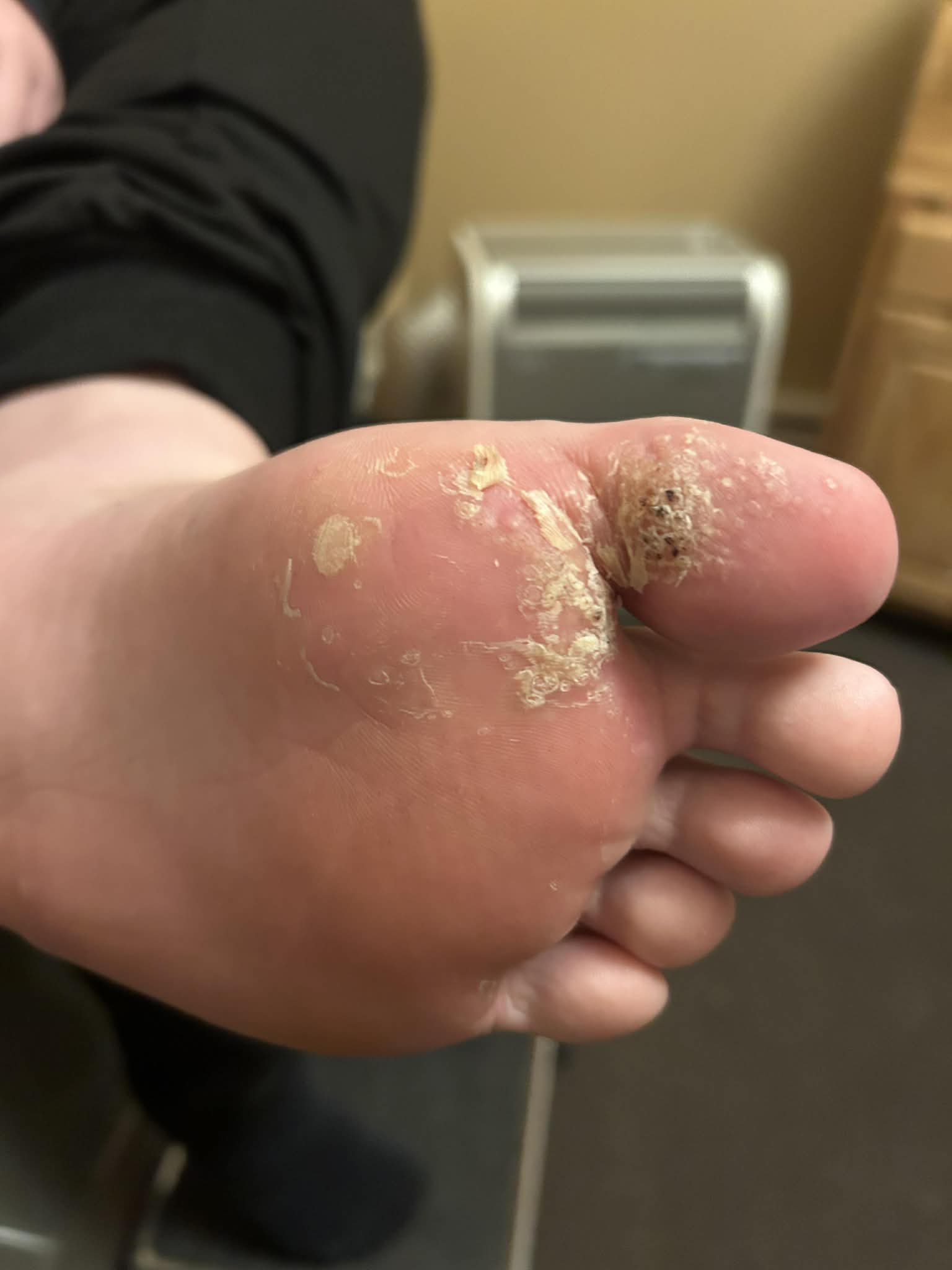
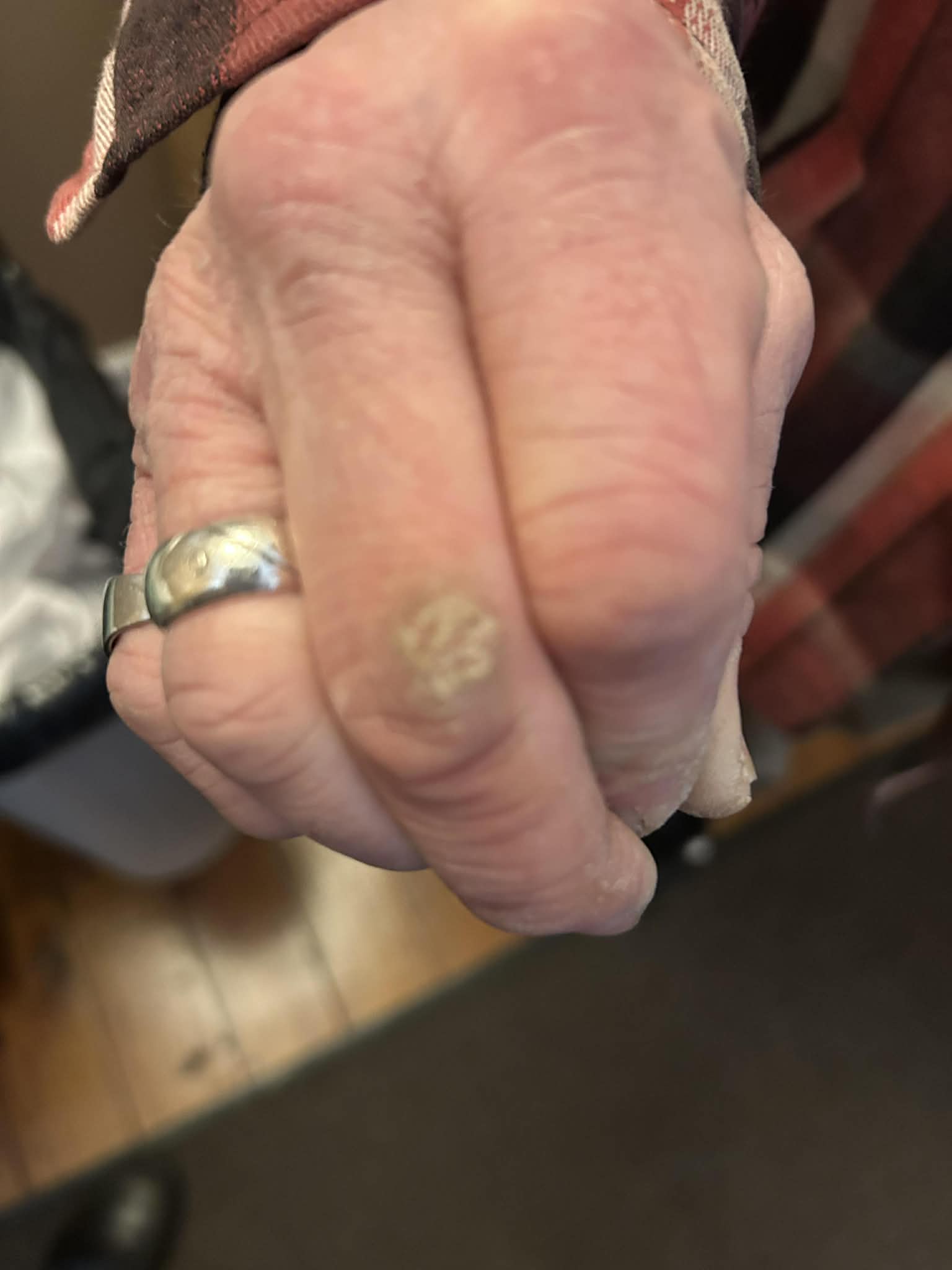
A wart is a small contagious viral lesion that is caused by the human papilloma virus (HPV). They can develop anywhere on your body, but are most often found on the hands, feet, genitals and knees. There are more than 200 strains of this virus which can be easily transmitted between humans. Warts can be transmitted from infected surfaces such as pool decks, towels, gym mats, or skin to skin contact. With consistent bi-weekly treatment, the lesion can be removed. Cryotherapy with liquid nitrogen is an effective treatment. Depending on the location of the wart, we suggest augmentation of the treatment with a prescription strength acid paste.
Cost of Removal
Your visit is covered by OHIP (with a valid healthcard) for the doctor to assess, diagnose, and recommend treatment for your skin condition. If you do not have a valid OHIP card, the cost of the visit is $50. The cost for the cryotherapy treatment is additional. If the wart is on your genitals or feet, Dr. Atkins will treat up to three at no-charge, as OHIP pays a limited amount for the cryotherapy treatment. Additional warts beyond three, or not located in these areas, will have a fee of $10/lesion.
Skin Tag Removal
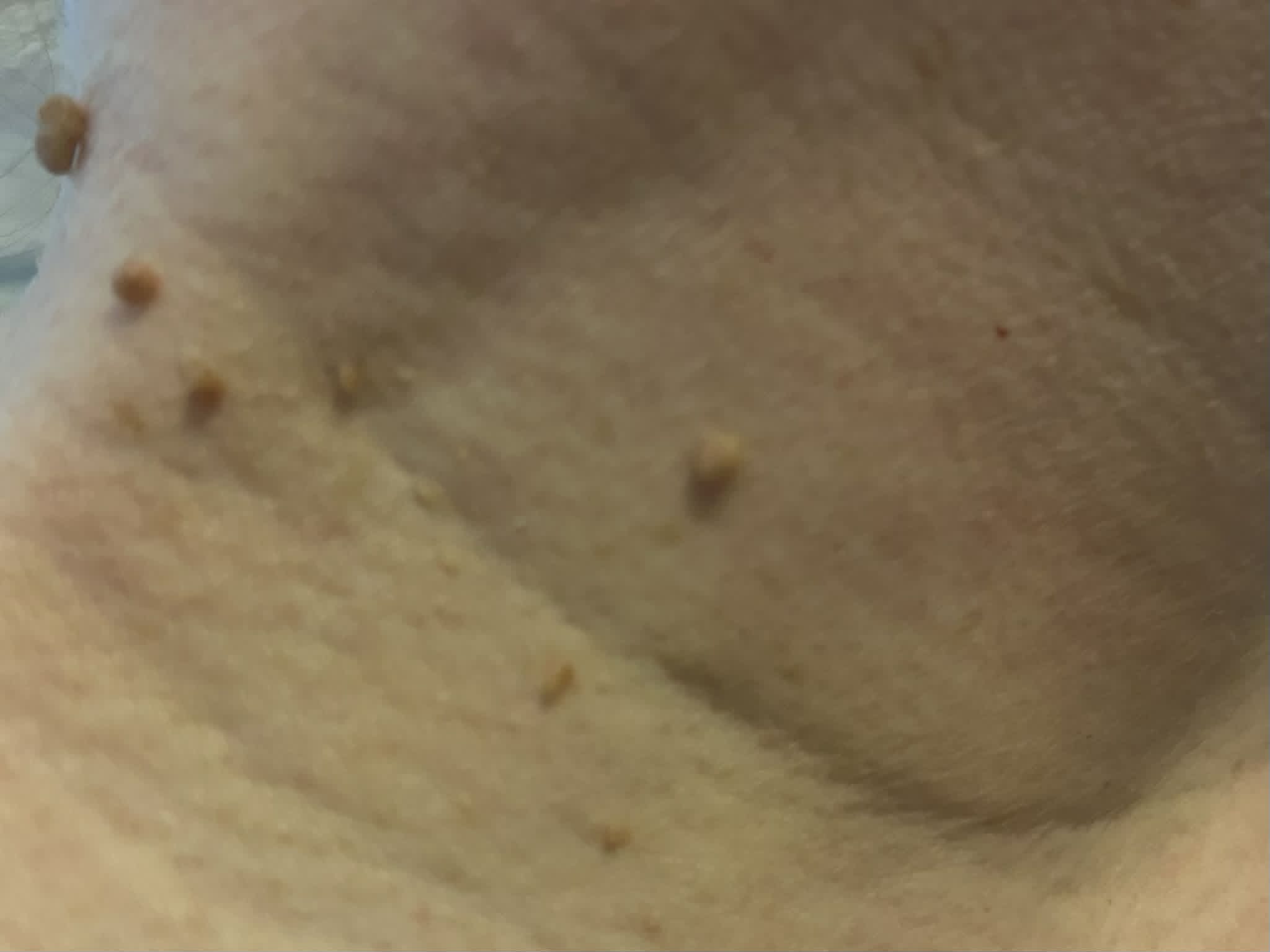
A skin tag is a tiny soft bump that hangs off the skin with a small stalk . They are most commonly found on the groin, armpit and neck; places where skin rubs against itself or clothing. Medical conditions such as obesity and diabetes can increase your likelihood of developing skin tags. They are usually harmless skin imperfections that can be easily removed with one treatment of cryotherapy using liquid nitrogen. Occasionally, a second treatment is required. Post treatment, the skin tag will crust over and fall off in typically 7-14 days depending on the size. They may leave a small scar resembling a burn mark, however, this is uncommon and generally preferred to having the lesion.
Cost of Removal
Your visit is covered by OHIP (with a valid healthcard) for the doctor to assess, diagnose and recommend treatment for your skin condition. If you do not have a valid OHIP card, the cost of the visit is $50. The cost for the liquid nitrogen is additional, and is $10 per lesion as is not covered by OHIP. Skin tag removal is considered a cosmetic procedure.
Mole Removal
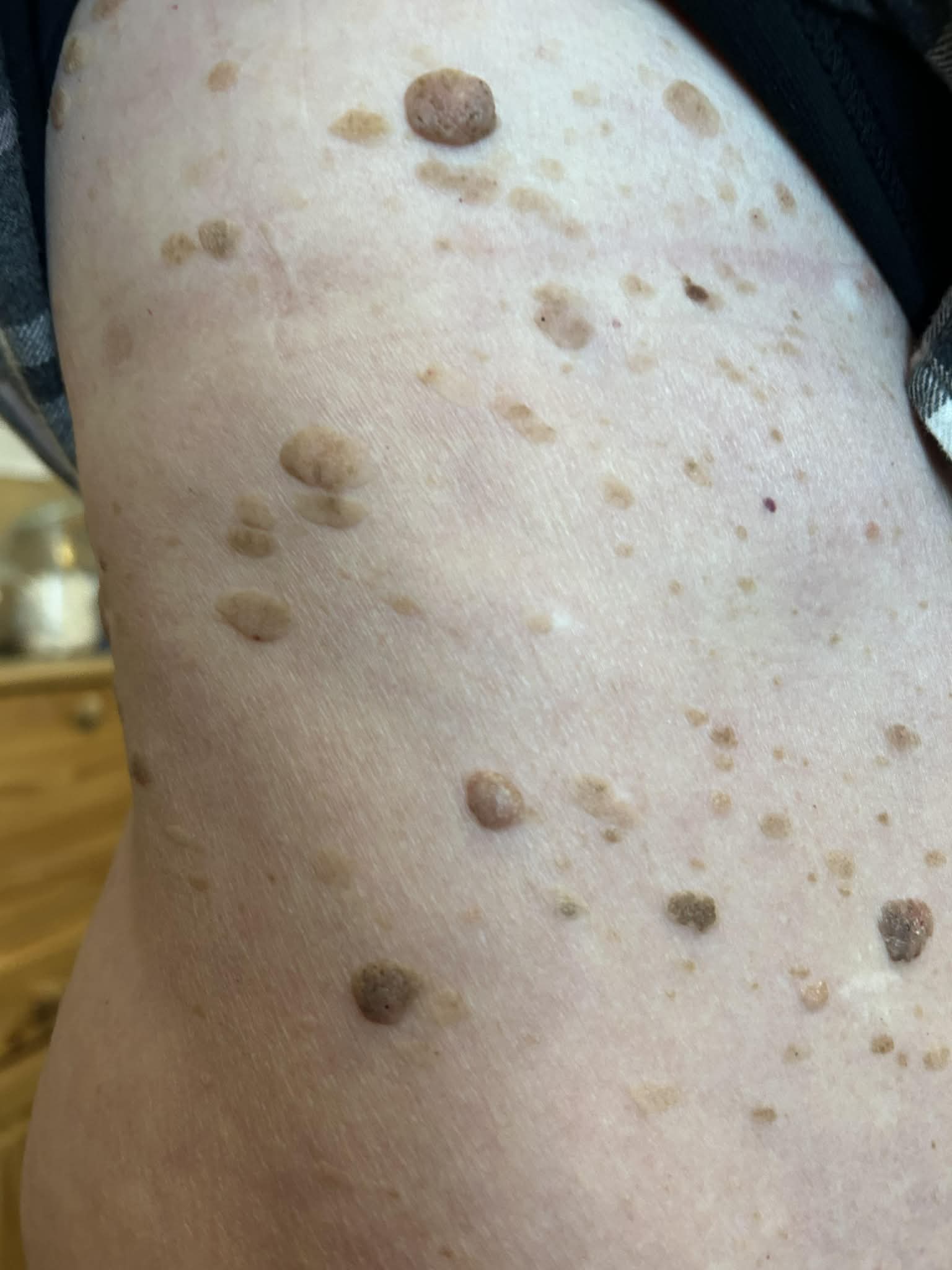
A mole, or nevus, is typically a little black or brown bump that is often oval or round in shape, and even in colour. Family genetics and sun exposure are common causes of mole growth. Most moles are entirely benign but some can be concerning. Often, people choose to have them removed for cosmetic reasons. Moles most often respond to cryotherapy and usually require only one treatment, occasionally two, if larger in size.
Cost Of Removal
Your visit is covered by OHIP (with a valid healthcard) for the doctor to assess, diagnose, and recommend treatment for your skin condition. If you do not have a valid OHIP card, the cost of the visit is $50. The cost for the liquid nitrogen is additional, and is $10 per lesion, as is not covered by OHIP. Mole removal is considered a cosmetic procedure.
Note
Some moles can be concerning and require screening for possible skin cancer. These can include moles that have irregular borders, have multiple colours to them such as red, black and brown, have been growing recently, or bleed easily when scratched or irritated. When this is noted, the lesion should be assessed by a dermatologist or plastic surgeon to ensure that they are not cancerous. * Please be aware that Dr. Atkins is not a dermatologist or plastic surgeon. He is a family physician with 20 years of experience in cryotherapy removing benign skin lesions. If he notes that the lesions you are interested in having removed look suspicious, he will advise you to see a specialist.